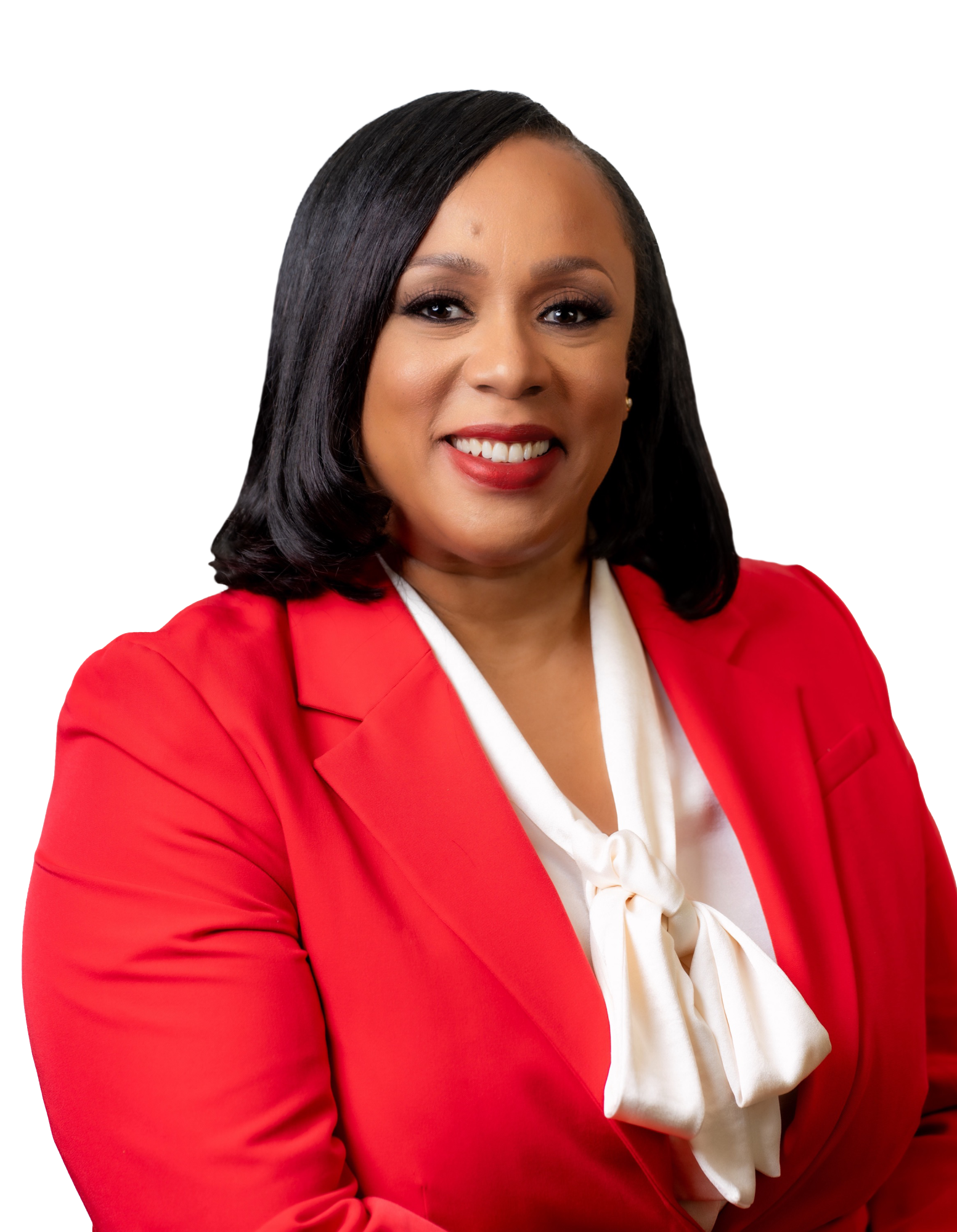
Chair Alicia L. Hyndman Convenes Joint Legislative Public Hearing on Higher Education
Education leaders raise concerns about critical funding needs
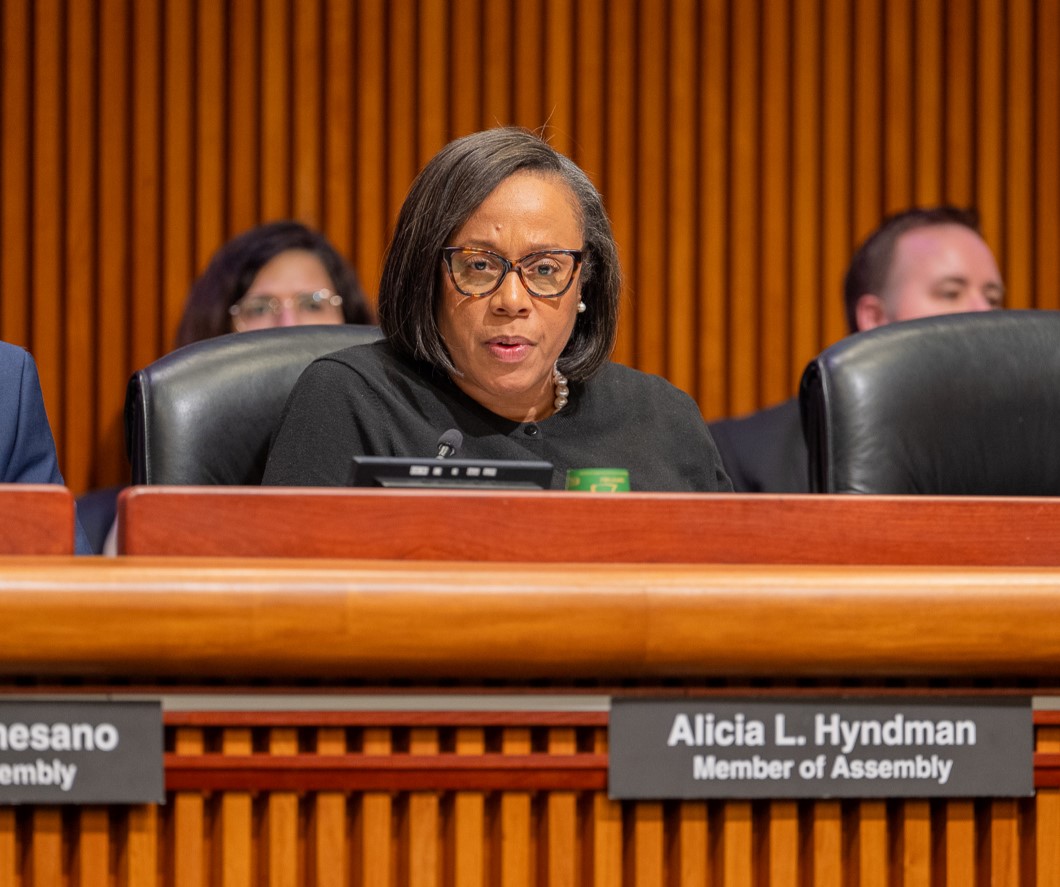
Albany, NY – Assemblywoman Alicia L. Hyndman, Chair of the Assembly Committee on Higher Education, convened a Joint Legislative Budget Public Hearing on Higher Education to examine the State’s 2026–2027 Executive Budget proposal and its implications for New York’s public and private colleges and universities.
Against the backdrop of recent federal budget reductions affecting critical investments in research, innovation, and student support, the hearing brought together legislators, higher education leaders, and members of the public to assess both opportunities and challenges facing the sector. Panelists provided testimony to the Senate and Assembly Higher Education Committees, underscoring the vital role higher education plays in advancing economic growth, workforce development, and social mobility.
The hearing offered education leaders and advocates a direct forum to articulate the resources New York’s colleges and universities need to effectively serve students and communities statewide. Testimony highlighted the potential real-world consequences of proposed funding reductions, including impacts on student financial aid, campus infrastructure, and workforce training initiatives. Testifiers also emphasized the importance of sustaining programs that create clear, equitable pathways to degrees and the high paying careers of the future, particularly for first-generation and low-income students; priorities that align closely with Chair Hyndman’s longstanding commitment to expanding access to higher education and supporting lifelong economic opportunity.
Testifying before the Committees were Dr. Betty A. Rosa, Commissioner of the New York State Education Department; John B. King Jr., Chancellor of the State University of New York; Félix V. Matos Rodríguez, Chancellor of the City University of New York; and Doris B. González, President of the Higher Education Services Corporation, along with representatives from higher education advocacy organizations across the state.
“Our colleges and universities are engines of opportunity that open doors for students and fuel New York’s economy,” said Chair Hyndman. “This hearing underscored the need for a budget that reflects those values; one that protects student aid, modernizes and strengthens our campuses with groundbreaking technology, and invests in the workforce of tomorrow. We must ensure that talent and drive, not financial circumstance, remain the cornerstone of access to New York’s high-quality institutions of higher education, so every student has a fair chance to succeed and our state remains competitive for generations to come.”
"I listened closely as campus leaders, trustees, and students laid out what is truly at stake. We heard about CUNY's $10 billion critical maintenance backlog that affects classrooms and dorms, the need for stable operating support so colleges are not forced to shift costs onto students, and the importance of expanding programs like SUNY and CUNY Reconnect that prepare New Yorkers for high-demand careers." said Senator Toby Ann Stavisky, Chairwoman of the Senate Higher Education Committee. "We heard testimony about the very real risks posed by potential federal changes to student loans, especially graduate borrowing. If we are serious about affordability, workforce development, and protecting access, our enacted budget must meet this moment. I look forward to working with my colleagues to ensure that the final budget reflects our shared priorities, especially towards affordability and accessibility."
New York State Education Commissioner Betty A. Rosa said, "This joint legislative hearing provides an important platform for constructive dialogue that enables the State Education Department to highlight the opportunities for investment within an evolving higher education landscape. This forum offers a valuable opportunity to advance budget priorities that expand programs that drive upward mobility for all learners, strengthen pathways for students with disabilities, and provide fiscal stability for institutions in need of support. The Department looks forward to continuing these discussions in order to promote equity, access, and opportunity in post-secondary education."
SUNY Chancellor John B. King Jr. said, "Over the last three years, SUNY has achieved back-to-back-to-back enrollment gains across every sector of the SUNY System – from our community colleges to our comprehensive campuses, agriculture and technology schools, and doctoral-granting institutions. Dedicated increases in State operating and capital support are essential to this progress, and to SUNY's continued success. I thank Governor Hochul, Assembly Higher Education Committee Chair Hyndman, Senate Higher Education Committee Chair Toby Ann Stavisky, legislative leadership, and our many SUNY champions in the legislature for their commitment to supporting SUNY and for working together to prioritize the students who rely on SUNY for an affordable, excellent public higher education."
“We are grateful to the New York State Legislature for its support of the financial resources that propel CUNY’s mission in driving upward mobility for New Yorkers,” said CUNY Chancellor Félix V. Matos Rodríguez. “CUNY has long been a force for lifting New York, and we look forward to continuing our work with state leaders to strengthen our institutions and expand the opportunities we provide to our students and faculty.”
Doris B. González, Acting President of the New York State Higher Education Services Corporation said, “Thank you to Higher Education Committee Chair Alicia Hyndman and the Legislature for the opportunity to share highlights of the Governor’s 2026–2027 Executive Budget. Governor Hochul’s investments in higher education reflect her deep dedication to expanding access, affordability, and opportunities for all New Yorker’s. At the New York State Higher Education Services Corporation, we are proud of the transformative progress we’ve made over the past year to improve access and affordability and help more students succeed in college and look forward to continuing our commitment to student success.”
Akkeem Polack, Chairperson, University Student Senate, CUNY Trustee said, “The testimonies made clear that access is the defining issue for higher education right now. We commend Chairs Hyndman, Krueger, Stavisky, Pretlow, and the members of the Joint Committees for convening this important hearing. Transportation access, like the CUNY OMNY Card Pilot Program, along with food insecurity, student homelessness, mental health, disability services and aging infrastructure, are real barriers that impact whether students can persist and graduate. The Executive Budget must go further and fully invest in the conditions that allow CUNY students to succeed.
Witnesses who testified at the hearing included:
John King Jr., Chancellor, State University of New York
Felix V. Matos Rodriguez, Chancellor, City University of New York
Doris Gonzalez, President, New York State Higher Education Services Corporation
Betty A. Rosa, Commissioner, New York State Department of Education
James Davis, President, Professional Staff Congress-CUNY Local 2334
Frederick Kowal, President, United University Professions
George Cushman, Chair, New York Community College Trustees
Andrew Sako, President, Faculty Federation of Erie Community Colleges
James McCarthy, PBA President And Lieutenants Director, NYS University Police
Akkeem Polack, CUNY Senate Chairperson & Trustee, University Student Senate CUNY
Luca O. Rallis, President & SUNY Trustee, State University of New York Student Assembly
Bradley Hershenson & Shirley Jin, Business Agent & Steward/Organizer, Graduate Students Employees Union of the Communications Workers Union 1104
Donna Stelling-Gurnett, President, Association of Private Colleges
Lola Brabham, President, Commission on Independent Colleges and Universities
Aaron Ray, President, Higher Education Opportunity Program Professional Organization
Charlie Kruzansky, Associate VP for Government Relations, Cornell University
Dr. Renaldo D. Alba, President, Association for Program Administrators for CSTEP & STEP
Blair Horner, Senior Policy Advisor, New York Public Interest Research Group
Elizabeth Altman, President, Friends of the NYS Liberty Partnerships
Jennifer Tassler, Vice President of Government Relations & Strategic Affairs, New York State Academic Dental Centers
Kirsten Keefe, Senior Director of Policy and Advocacy for NY, The Institute for College Access & Success
Deidra Nesbeth, Director, Fostering Youth Success
During the hearing, Assemblymember Alicia questioned the City University of New York on Title VI compliance and reporting procedures, seeking clarity on an incident at Hunter College involving alleged racist remarks by an assistant professor. CUNY officials stated the comments were “clearly offensive and abhorrent” and confirmed that Hunter College, the district, and the New York State Education Department are conducting investigations, with final reports pending.
Assemblymember Alicia also pressed the State Education Department on its oversight of out-of-state institutions operating in New York, citing the Northeastern University–Marymount Manhattan College merger. SED officials explained that institutions must meet strict accreditation, financial, and regulatory standards, and that new academic programs require formal state approval and review.
As New York faces ongoing economic pressures, the hearing highlighted the importance of maintaining transparency as we build strong public and private higher education systems, said Chair Hyndman. “At the end of the day, ensuring students are not left behind means making sustained investments in affordability, academic quality, and student support services. Our colleges and universities must remain accessible pathways to opportunity, especially for low- and middle-income students. When we invest in higher education, we invest in people and the economic strength and social mobility of our state.”