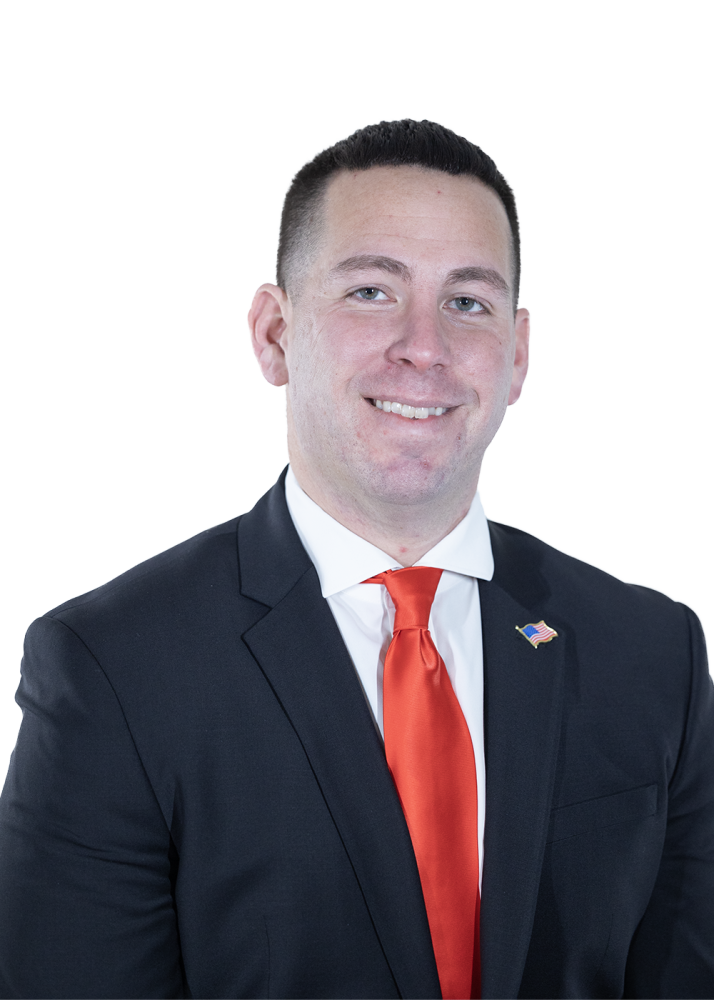
Maher Calls on Governor Hochul to Sign Legislation Cracking Down on Dangerous ‘Gas Station Heroin’
Assemblyman Brian Maher (R,C-Walden) is calling on Governor Hochul to sign legislation restricting the sale of dangerous, highly concentrated kratom products containing 7-hydroxymitragynine (7-OH), commonly referred to as “gas station heroin,” amid growing concerns over addiction, overdoses and the accessibility of these substances in gas stations and vape shops across New York.
The legislation, A.9156B, passed both houses of the state Legislature in June and would prohibit the sale of products containing more than 2% of total alkaloids or one milligram per serving of 7-OH. Despite the serious health risks associated with these substances, highly concentrated products remain readily accessible to consumers, raising concerns about their potential impact on young people and communities already struggling with substance abuse.
“We have spent years fighting the opioid epidemic, yet dangerous substances with similar addictive properties are being sold at gas stations and convenience stores across our state,” said Maher. “These products are being marketed and sold in places where families stop for everyday necessities, despite the serious risks they pose. We cannot afford to wait until more lives are lost before taking action. I am urging Governor Hochul to sign this bipartisan legislation and take a critical step toward protecting New Yorkers from these dangerous products.”
According to a July 2026 bulletin from the U.S. Drug Enforcement Administration (DEA), America's Poison Centers documented 14,449 kratom-related exposures nationwide between 2015 and 2025. In 2025 alone, 3,434 exposures were reported, representing an approximately 1,200% increase from the 258 reported in 2015.
The DEA also warned about the growing prevalence of highly concentrated 7-OH products, which can be up to 13 times stronger than morphine. While 7-OH occurs naturally in trace amounts in the kratom plant, many commercially available products contain significantly higher concentrations, often produced through laboratory processing. These substances carry serious risks of addiction and severe withdrawal symptoms similar to traditional opioids.
Federal health officials have also raised concerns about the dangers of concentrated 7-OH products. The U.S. Department of Health and Human Services (HHS) announced updated recommendations establishing science-based thresholds to target highly concentrated and chemically altered kratom products. The recommendations include a threshold of one milligram per gram for solid products, reflecting growing federal efforts to address the public health risks associated with these substances. New York’s legislation would establish its own restrictions based on the amount of 7-OH per serving or its percentage of total alkaloids, providing the state with a mechanism to prohibit the sale of products exceeding those limits.
Recent incidents have further heightened concerns. On Sept. 21, two University of Mississippi students were found dead at separate locations, with packaged kratom products reportedly discovered at both scenes. Although toxicology results were pending at the time of the initial reports and no connection to kratom had been confirmed, the incidents underscore the importance of understanding the potential dangers associated with these increasingly accessible substances.
“New York families deserve to know that the products being sold in their communities are not putting their loved ones at risk,” Maher continued. “When federal authorities are reporting a dramatic rise in poisonings and warning about substances with the potential to be stronger than morphine, we have an obligation to act. This is about preventing addiction, protecting our children and ensuring we are not allowing another dangerous drug to gain a foothold in our communities.”
Maher emphasized that restricting highly concentrated 7-OH products is an important public safety measure and urged the governor to act on the legislation before more New Yorkers are exposed to potentially dangerous substances.