Assemblyman Simpson Welcomes ‘All-of-the-Above’ Approach in 2025 State Energy Plan
New state energy plan finally confronts reality on fossil fuels and reliability.
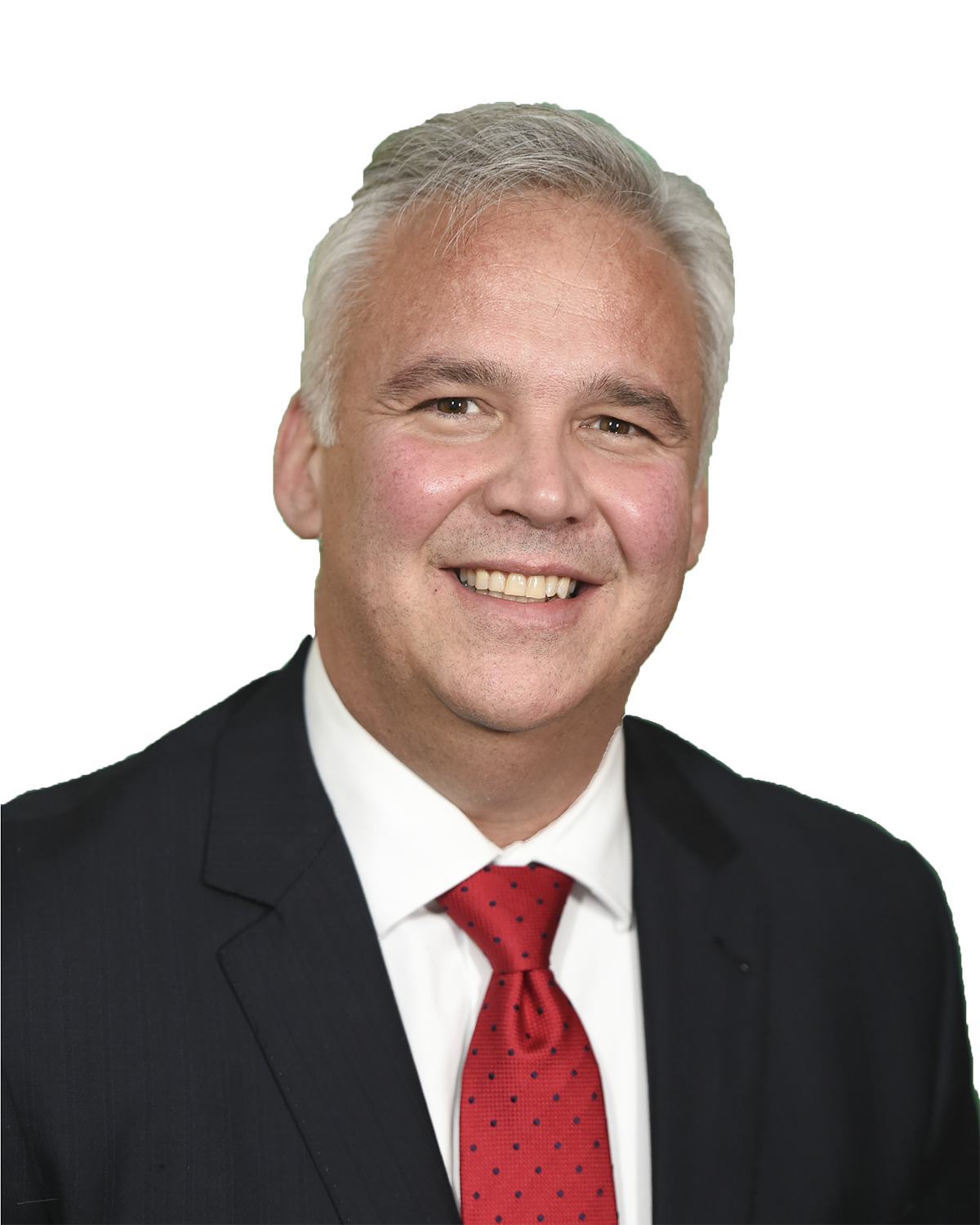
Assemblyman Matt Simpson (R,C-Adirondack) today commended the New York State Energy Planning Board’s unanimous approval of the 2025 State Energy Plan, highlighting its pragmatic recognition of the need for fossil fuels to ensure grid reliability and the admission that key Climate Leadership and Community Protection Act (CLCPA) targets are out of reach.
The approved plan projects that the CLCPA’s goal of a 40% emissions reduction by 2030 may not be achieved for years to come, citing challenges like surging energy demand from data centers and electric vehicles. It also emphasizes the continued role of natural gas and other dispatchable resources to prevent blackouts, aligning with warnings from the New York Independent System Operator (NYISO) about potential reliability risks as early as this coming year.
“I am encouraged that the state is finally confronting the harsh realities of our energy transition,” said Simpson. “For years, I’ve warned that the CLCPA’s aggressive timelines ignore affordability, grid stability and the needs of rural communities like those in the North Country. This plan rightly acknowledges we can’t meet the 2030 emissions goal without jeopardizing reliability, and it smartly calls for an ‘all-of-the-above’ approach, including cleaner natural gas turbines as a bridge to renewables. While more work is needed to address mandates like the All-Electric Buildings Act, this is a step toward policies that work for all New Yorkers, not just ideology.”
Simpson, who co-sponsored legislation earlier this year (A.5395) to extend CLCPA deadlines by ten years, has urged Gov. Hochul and lawmakers to build on the plan’s flexibility by repealing burdensome mandates that exacerbate the housing crisis and strain infrastructure. He emphasized that balancing environmental goals with economic viability is essential to stemming the exodus of families and businesses from the state.