Follow Me
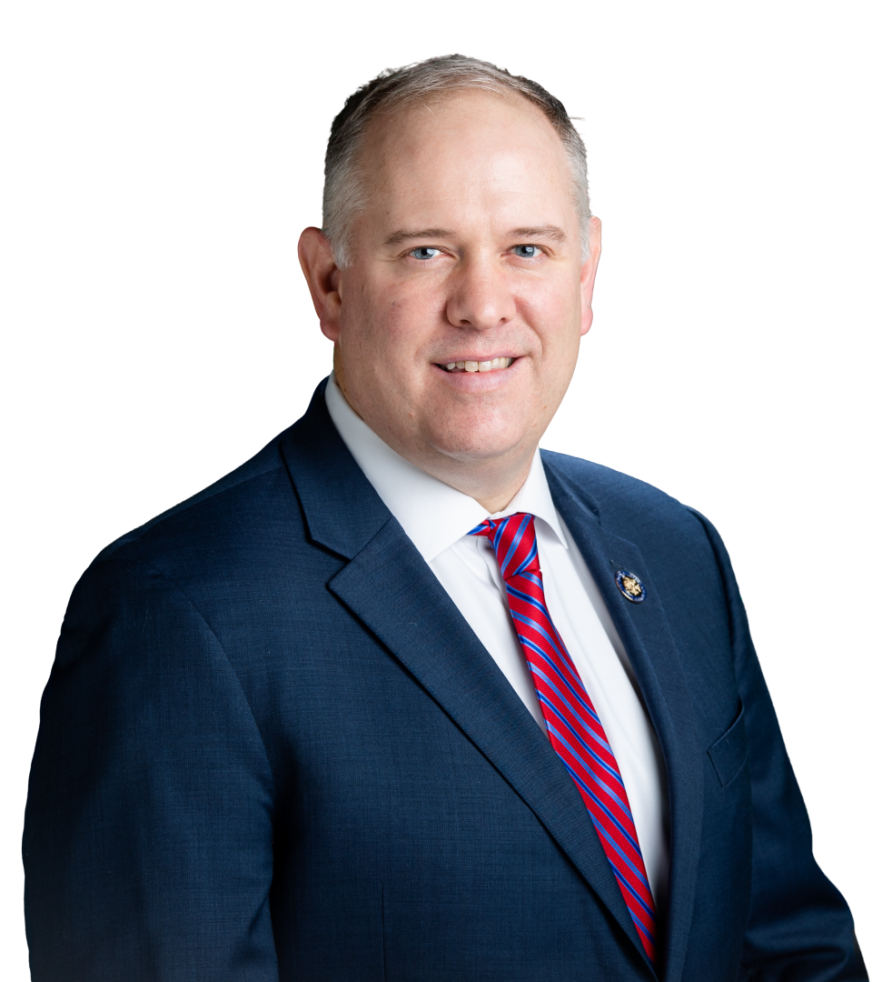
member photo
Assemblyman
Robin Schimminger
Assembly District 140
Chair, Economic Development, Job Creation, Commerce and Industry Committee
New Laws to Fight Terrorism
September 26, 2007

Sometimes it seems hard to believe that it has only been six years since the September 11 attacks that catapulted terrorism to the forefront of America’s collective consciousness. Security procedures at airports, sports events and other venues that were instituted in the weeks and months that followed the devastation are now so familiar that it may take a conscious effort to remember that things have not always been this way. A vital lesson of those attacks, however, is not to settle into complacency and rely on the protections that have already been instituted but to be ever vigilant and ever committed to improving our ability to prevent and respond to terrorism.

One such improvement is embodied in a new state law I co-sponsored to strengthen our public health system’s defenses against bioterrorism, flu pandemics and other such public health emergencies and to guard the safety of our vital public water supply. To enhance our state’s ability to rapidly detect disease outbreaks, analyze potential impacts and respond with the necessary vaccines and antiviral drugs, this statute requires blood banks and chemical laboratories to use the state’s electronic clinical laboratory reporting system to make timely communicable disease reports. The State Health Department is also empowered to require clinical laboratories to submit specimens when further testing is needed to identify or confirm evidence of disease. In addition, this new law will protect the public water supply by requiring suppliers to regularly update their emergency plans and by instituting protocols for maintaining the confidentiality of those plans to keep information about system vulnerabilities from falling into terrorists’ hands.

Pipelines and fueling networks are also vulnerable to attack, and we enacted another new law to protect them. As a result, the State Office of Homeland Security will conduct physical inspections and evaluate security measures associated with transmission systems and distribution points for petroleum, natural gas and commercial aviation fuel. Homeland Security will submit confidential reports on its findings to state officials and facility owners and make specific recommendations for improvements that the Public Service Commission will be empowered to implement.

Finally, the new “Freedom to Report Terrorism Act” will protect people who see something suspicious and report it. They will be shielded from being put in jeopardy of legal action as a consequence of making authorities aware of their concerns. Indeed, this is one thing that has not changed in the wake of 9/11: Our first line of defense in the war against terrorism continues to consist of vigilant citizens who have the courage and patriotism to “do the right thing.”

 
Translate this page
Translation may not be exact
 
 
Member Info


E-newsletter