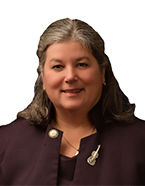
Assemblywoman Woerner Secures Crucial Investments in State Budget for Our Communities
Assemblywoman Carrie Woerner (D-Round Lake) announced the 2026-27 state budget delivers major new investments in our communities that protect agricultural land and laborers, strengthen our food systems, preserve the environment and combat inflation.
“I worked hard to ensure we continue making our communities and the state more affordable for our families,” said Woerner. “Exorbitant energy, housing and childcare costs are crushing New York families even as we face mounting environmental challenges. This year’s state budget balances the present and future interests of families, farmers, business owners and our state’s fiscal position. These investments will strengthen our communities, shore up our food supplies and make New York more affordable for all working families.”
Some of the measures that Woerner helped secure in this year’s state budget include:
Improving affordability and quality of life
- $1 billion for Protecting Our Wallets Energy Rebate (POWER) checks, a direct rebate to utility customers suffering from soaring energy prices
- $65 million in annual tax relief to about 230,000 households through the Child and Dependent Care Credit, estimated to benefit around 316,000 children
- $50 million increase in CHIPS aid, lifting the burden of road maintenance from local taxpayers
- A $25 million increase for water infrastructure projects, focused on upgrading existing infrastructure
- $7 million to support Small Rental Development in smaller communities
- Establish the Residential Affordability Through Energy Savings (RATES) Commission to examine rising energy costs and recommend long-term solutions to protect consumers and lower utility rates
- Require gas and utility companies to return excess revenues to consumers, easing the burden on hardworking New Yorkers struggling to pay their bills
- Increased funding for assisted living facilities, hospitals and other medical providers, including a 2.7% COLA for direct care workers
- Higher reimbursement for nursing homes, ensuring they can hire and retain the best staff to care for older New Yorkers
Strengthening New York’s agriculture and combatting food insecurity
- $72 million for the Hunger Prevention and Nutrition Assistance Program and $55 million for Nourish NY, offsetting the spike in food insecurity from federal SNAP cuts
- $30 million in direct assistance to agricultural producers, including new incentives for farmers to donate fresh food to local pantries
- $20 million in other farmland conservation programs
- $2.2 million for the New York Farm Viability Institute
- $700,000 for Farmland for a New Generation, facilitating the transfer of thousands of acres of farmland to the young producers who represent our agricultural future
- $250,000 to the Eastern New York Satellite of Cornell University’s Center of Excellence in Food and Agriculture
- $75,000 for the Empire Sheep Producers Association
- $50,000 each for the Comfort Food Community and Pitney Meadows Community Farm, bolstering our local food supply chain
Supporting families and helping raise the next generation
- $39 billion in local school aid, including Foundation Aid increases of at least two percent per school district, helping ease the burden on local property taxpayers and providing teachers and students with the resources they need
- Expands Universal Pre-K (UPK) funding to full-day instruction for 4-year-olds by Fall 2028
- A $20 million increase in New York State Council on the Arts operating grants, totaling over $80 million
- $7 million to expand the New York Opportunity Promise Scholarship for students pursuing associate degrees at SUNY and CUNY institutions
- $50,000 for NE Regional Construction Trades’ Girls Building Trades Summer Camp
- Support for downtown cultural facilities, including the Strand Theater in Hudson Falls
- Increased funding for public libraries that serve as community hubs
Preserving our natural heritage
- Revisions to the Climate Leadership and Community Protection Act (CLCPA) that ensure New York can meet its emissions goals without hobbling economic growth or the development of underserved communities
- $500,000 to purchase critical grassland breeding habitats for endangered, threatened and high-priority birds
- $150,000 to Historic Hudson-Hoosick Rivers Partnership to operate the Visitor’s Center, facilitating tourism and preserving our historic and natural scenery
- Five-year postponement of the electric school bus requirement, ensuring we meet our climate goals without bankrupting rural schools
The state budget also addresses New York’s high car insurance costs, which have been driven by unfair business practices, excessive company profits and bad actors who exploit the system. To address premiums, Woerner passed common sense reforms to crack down on fraud and abuse while lowering costs for drivers, including requiring excess profits to be returned to policyholders.
“We have implemented several measures and increased funding to ease the pain of federal cuts while delivering relief from rising costs. While there is always more work to be done, by putting New Yorkers first, we are creating a more affordable state,” said Woerner.