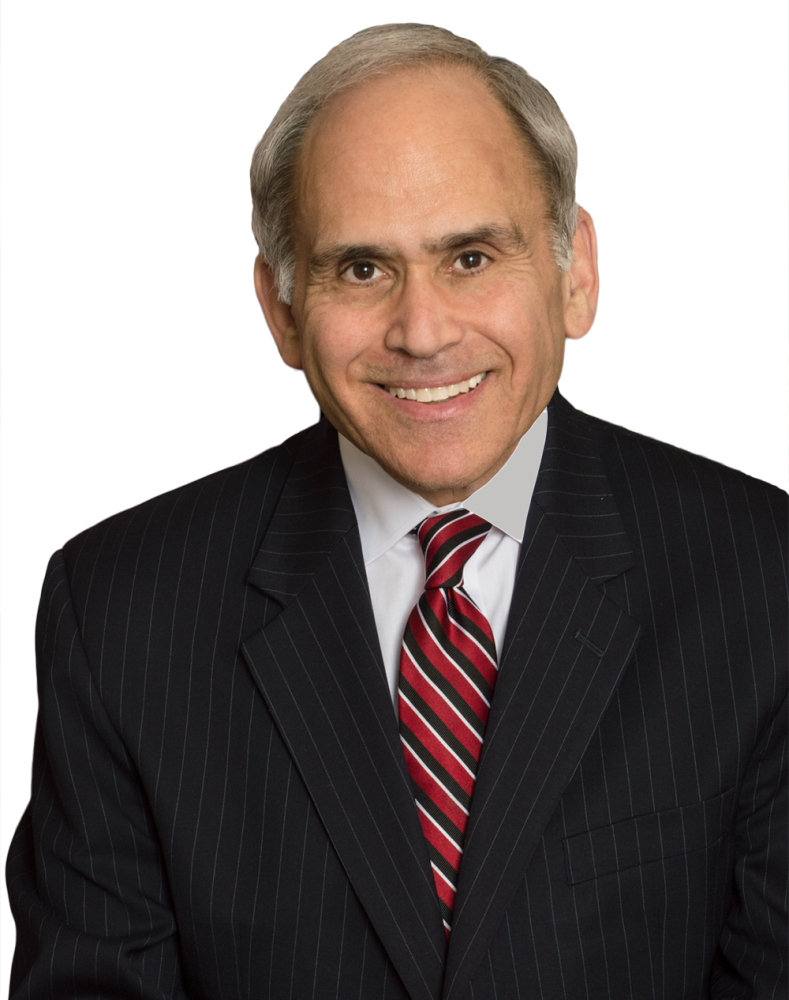
Jacobson Investigating Delays in Funding for Replacement of Lead-Contaminated Water Lines
Assemblymember Jonathan Jacobson (D-104) has been appointed as chair of the Assembly Oversight, Analysis and Investigation Committee, which investigates whether laws and programs are being effectively carried out in the state. As chair, he is leading an investigation into funding for the removal of lead-contaminated water lines, and will convene a hearing on November 20th in Albany.
“There is no safe level of lead in our drinking water. No one is questioning the science,” Jacobson said. “The question is why, with so much State and Federal funding to get rid of lead lines available, is so little of that money reaching the municipalities that need it most?”
Even low levels of lead exposure are linked to a range of serious health issues, including developmental and neurological disorders, high blood pressure, reproductive risks, and more. The risk is particularly high for infants.
All states are under an EPA deadline to remove all lead-contaminated water lines by November 2037. In New York State alone, there are approximately 500,000 lead-contaminated water lines. That means New York would have to remove more than 41,000 lines per year over the next 12 years to meet the deadline, at an estimated cost of $7,000-$12,000 per line, depending on whether they’re removed piecemeal or in entire neighborhoods.
Meanwhile, there are billions of dollars from the Federal Bipartisan Infrastructure Act and the Environmental Bond Act, as well as other funding sources, that the state can use to replace these lines. But since more coordinated State efforts at lead line replacement began in 2017, very little of that money has gone out the door.
The hearing will identify common obstacles to removing and replacing lead lines in the state, with a focus on the funding process. Representatives from the New York State Department of Health, Environmental Facilities Corporation, the Department of Environmental Conservation, several municipalities, and environmental advocacy groups are scheduled to testify.
“Unfortunately, the Cities of Newburgh and Poughkeepsie in my district, like so many municipalities throughout the State, have an aging water system with thousands of contaminated water lines. Removing these lines takes money and effort, but it’s not optional,” Jacobson said. “We have to figure out how we get to ‘Yes’ by sending the funding where it needs to go. We can’t let another generation of children drink water from these contaminated lines.”