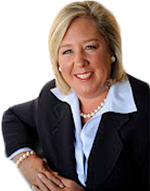
Seawright Secures Expanded Rent Freeze Protections for More Older New Yorkers in Final State Budget
New York, NY – New York State Assembly Member Rebecca A. Seawright, Chair of the Assembly Aging Committee, today announced a major victory for older New Yorkers with the inclusion of expanded rent freeze protections in the final adopted State Budget.
The budget raises the income eligibility threshold for New York City’s Senior Citizen Rent Increase Exemption (SCRIE) and Disability Rent Increase Exemption (DRIE) programs from $50,000 to $75,000, marking the first increase in more than a decade and allowing thousands more New Yorkers to qualify for rent stabilization protections.
“For too many older New Yorkers and people with disabilities, rising rents threaten their ability to remain in their communities,” said Chair Seawright. “Expanding SCRIE and DRIE is a critical and long-overdue victory that reflects the true cost of living in New York City and will help more residents age in place with dignity, stability, and security.”
Nearly 1.5 million older adults live in New York City, and many face significant economic insecurity. Almost three in five residents over age 70 lack stable retirement income, while a similar share of older renters are rent-burdened, making increases in housing and food costs a direct threat to their health, safety, and independence.
“Rent freeze programs are too often the only thing standing between vulnerable seniors and people with disabilities and homelessness or institutionalization,” Seawright continued. “With rents and living expenses continuing to soar, increasing the income threshold to $75,000 is essential to ensuring older adults can remain safely housed and continue aging in place.”
As Chair of the Aging Committee, Seawright strongly advocated for the expansion throughout budget negotiations as part of a broader effort to strengthen protections and services for older New Yorkers. In addition to the rent freeze expansion, the State Budget includes continued investments in aging services, naturally occurring retirement communities (NORCs), in-home support services, protections against elder abuse and fraud, and programs that help seniors live independently and with dignity.